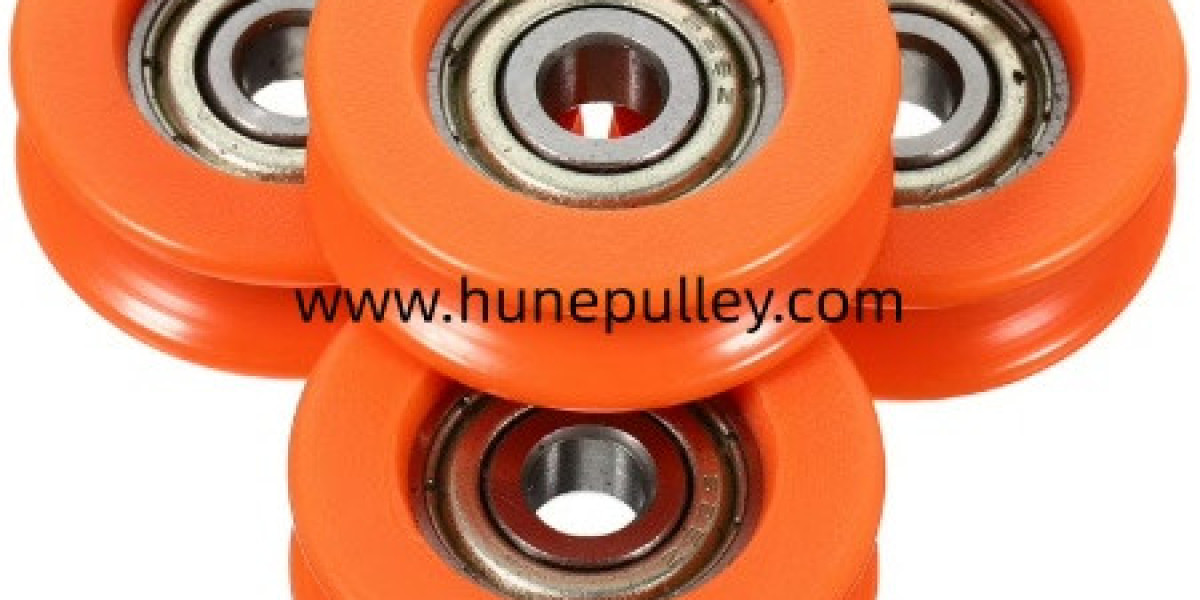

Mechanical movement often depends on small components working together in a coordinated way. When a system requires guided rolling, controlled movement, or support along a defined path, the right component can make the overall design easier to organize. For manufacturers, distributors, and project planners, a Bearing Pulley Wheel from Hunepulley offers a practical component category for applications where rolling movement and structural coordination need to work together.
A pulley wheel with an integrated bearing can serve an important role within different mechanical arrangements. The bearing supports rotational movement, while the wheel interacts with a track, guide, cable, panel, or related structure. This combination allows designers to consider movement and support as connected parts of the same system.
Application requirements can vary considerably. Furniture mechanisms, sliding structures, guide systems, equipment assemblies, and other mechanical projects may each require different approaches to component selection. The dimensions, installation method, surrounding structure, and expected movement pattern can all influence which type of wheel is appropriate.
One useful aspect of this component category is its ability to work within organized movement systems. Instead of allowing a moving element to travel without guidance, a wheel can help establish a defined path. This can be particularly relevant when designers want movement to remain coordinated with the surrounding structure.
Installation compatibility also deserves attention. Even a small mechanical component needs to fit correctly with the rest of the system. Buyers can consider mounting arrangements, available space, wheel structure, bearing placement, and track compatibility before selecting a suitable option.
For distributors, understanding application differences can make product recommendations more practical. A customer working on a sliding furniture system may have different requirements from someone developing a guide mechanism for equipment. Presenting products according to their intended applications can help buyers focus on relevant characteristics instead of navigating an overly broad selection.
The surrounding environment can also influence component choice. Indoor furniture, commercial fixtures, industrial assemblies, and architectural mechanisms may involve different operating conditions. Considering the complete application allows businesses to evaluate how the wheel interacts with nearby components and whether the overall arrangement supports the intended movement.
Design details can matter even when the component itself is compact. Wheel shape, bearing arrangement, mounting structure, and material selection all contribute to how the component integrates into a larger mechanism. Careful product planning therefore starts with understanding the relationship between the component and the system around it.
For manufacturers and project developers, this system-based approach can help simplify product planning. Instead of selecting components solely by appearance or basic dimensions, buyers can consider the movement path, installation environment, surrounding hardware, and intended use together.
Mechanical systems are often defined by the details that remain hidden during everyday operation. A carefully considered wheel can become one of those quiet components that helps a larger design function as intended.
If you are planning a new mechanism or refining an existing product range, there is another place worth opening. Visit https://www.hunepulley.com/product/ and browse the hardware possibilities with a fresh perspective. Your next mechanical idea may begin with a component you almost overlooked.








