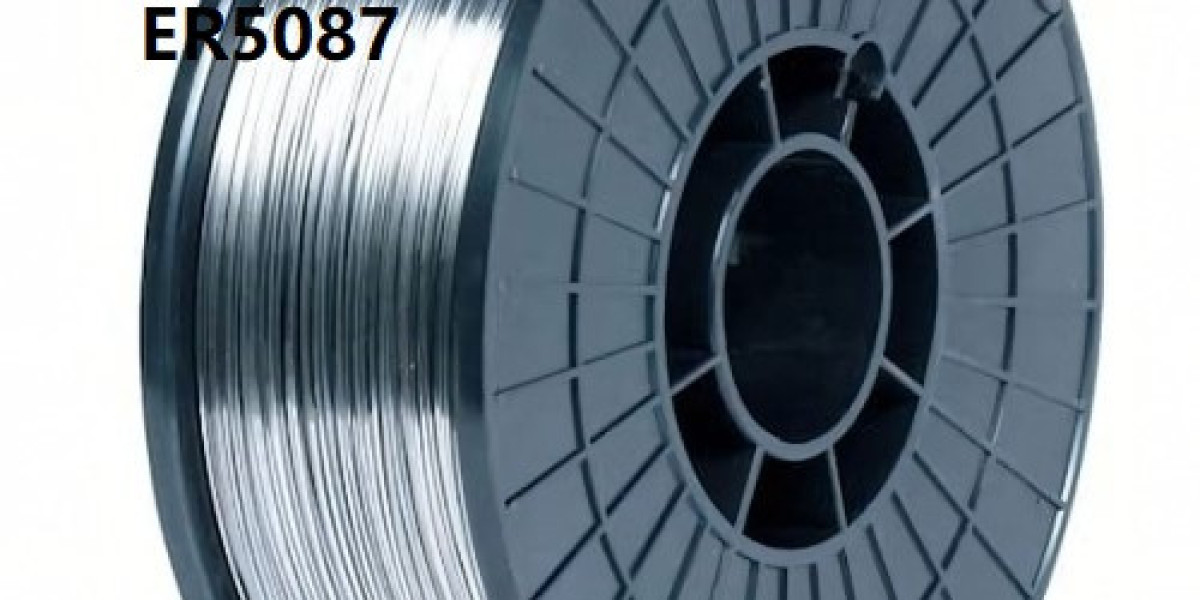

When aluminum fabrication involves changing materials, different joint designs, and demanding working conditions, choosing suitable filler metal becomes an important part of production planning. Reliable Aluminum Welding Wire Manufacturers can help fabricators obtain consistent material options, while experienced Aluminum Welding Wire Manufacturers can also provide specifications that fit different welding equipment and production needs. For projects using aluminum alloys in structural or industrial environments, the right wire can make daily welding work easier to manage.
Matching Filler Wire With Base Materials
Aluminum alloys do not all behave in the same way during welding, so filler selection should begin with the base material and the expected service environment. ER5183 is an Al-Mg-Mn filler metal designed for applications where strength, ductility, and corrosion resistance are important considerations. It can be used with 5xxx series alloys such as 5083, 5086, and 5183, while the product information also lists applications involving selected 6xxx and 7xxx series materials.
This makes material matching particularly useful for manufacturers handling several aluminum grades within the same production facility. Instead of treating every welding task as identical, production teams can consider alloy composition, joint requirements, thickness, and final operating conditions before deciding on the filler wire.
Choosing Wire Around Production Conditions
A welding wire should fit more than the base metal. The welding method, wire diameter, feeding equipment, and package format can all affect how smoothly a production line operates. ER5183 is available for GMAW and GTAW processes, with different diameter options for various working requirements.
For automated or continuous operations, packaging becomes especially relevant. Larger drums can support extended feeding, while coils and smaller packages may be more convenient for manual work or lower-volume jobs. This flexibility allows buyers to consider the complete workflow rather than focusing only on the alloy designation printed on the package.
Kunliwelding Supports Flexible Configuration
For fabricators, practical purchasing often means finding a supplier that understands both product specifications and real production conditions. The manufacturing information for ER5183 includes multiple wire diameters and packaging choices, allowing customers to select a configuration according to welding equipment and usage patterns.
Surface condition is another consideration. A clean, controlled wire surface can contribute to stable feeding and help reduce contamination-related welding problems. Consistent diameter control is also valuable when wire passes through liners, contact tips, or automated feeding systems. These details may seem small during purchasing, but they can influence the convenience of repeated production.
Applications Where Material Stability Matters
Aluminum welding wire is widely used in industries where lightweight construction must work alongside structural or environmental demands. ER5183 is positioned for applications such as shipbuilding, offshore structures, cryogenic storage, pressure vessels, rail transportation, and automotive production.
Marine projects may require resistance to seawater-related corrosion, while cryogenic equipment places different demands on weld performance at low temperatures. Heavy transportation structures can also involve long welds and repeated fabrication operations. Understanding these differences helps buyers select a filler metal according to the actual working environment instead of relying only on general-purpose specifications.
Making Procurement More Straightforward
A productive purchasing conversation should cover more than price and quantity. Buyers can prepare information about the aluminum grade, material thickness, welding process, required diameter, packaging preference, production volume, certification needs, and delivery requirements. This gives the supplier a clearer picture of the intended application and makes product configuration easier to discuss.
For manufacturers working with recurring aluminum welding projects, consistent specifications can also simplify inventory planning and production preparation. Whether the requirement involves MIG, TIG, automated feeding, or different package sizes, a clear purchasing process helps reduce unnecessary adjustments. To explore aluminum welding wire solutions and available product options, visit https://www.kunliwelding.com/ for more information.






