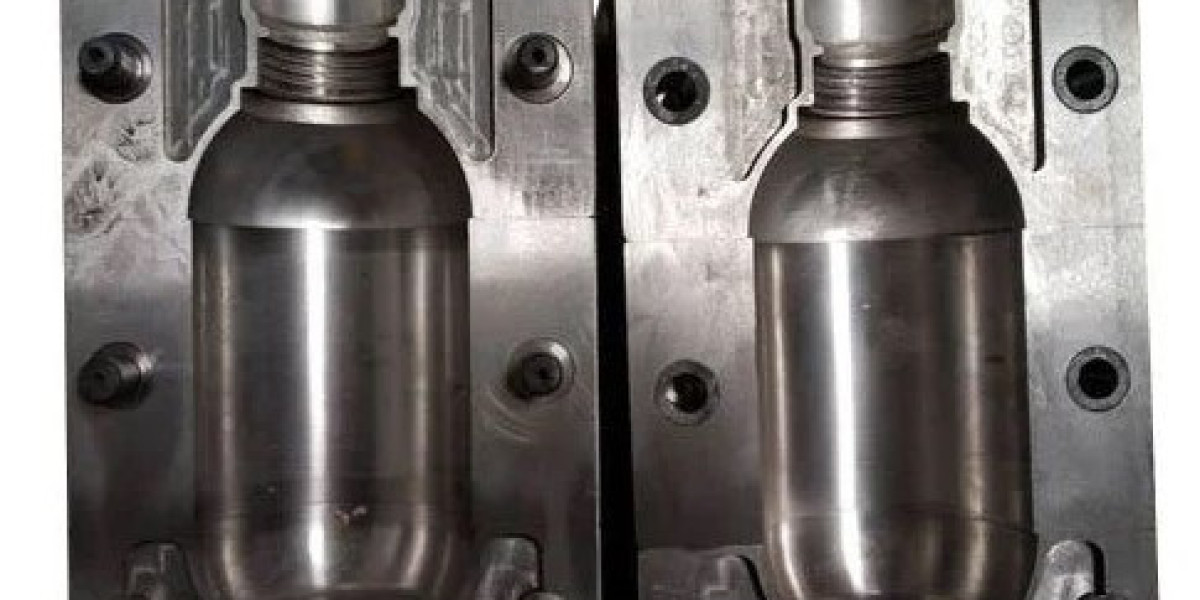

In plastic packaging production, product quality depends on more than the material used to make a container. A well-designed Bottle Blowing Mould helps manufacturers control bottle shape, wall distribution, and surface appearance, while a carefully selected Bottle Blowing Mould can also support smoother production planning across different container designs. From beverage packaging to household liquid bottles, mould design influences how efficiently a production line turns preforms into finished products.
How Mould Design Shapes Bottle Quality
Every bottle begins with specific requirements for capacity, appearance, strength, and usability. The mould must translate these requirements into a practical cavity design that allows the plastic to expand into the intended shape. Small details, including the neck finish, shoulder angle, base structure, and sidewall profile, can affect the final result.
Manufacturers should consider the bottle's intended contents and handling conditions before confirming the mould design. Containers used for lightweight personal care products may have different structural requirements from bottles designed for household cleaners or beverages. Reviewing these details early helps reduce unnecessary design changes later in development.
Matching Cavities to Production Goals
Cavity configuration influences how many containers can be produced during each moulding cycle. A suitable arrangement depends on the target output, available machine capacity, bottle dimensions, and production budget. Higher cavity counts may increase output, but only when the machine and supporting systems can accommodate the additional workload.
Production planners should also consider how frequently bottle designs may change. A mould intended for a stable, high-volume product may require a different investment approach from one used for several packaging variations. Matching cavity numbers to realistic demand helps manufacturers balance output, equipment use, and operating costs without overcomplicating the production setup.
Material Flow and Cooling Considerations
During blow moulding, heated plastic expands against the mould surface and takes on the shape of the cavity. Consistent results depend on suitable processing conditions, mould geometry, and effective temperature management. Uneven cooling can contribute to dimensional variation or affect the appearance of the finished container.
Venting also deserves attention because trapped air may interfere with the plastic reaching the intended surface details. The location and design of vents should support air release without creating unwanted marks. By reviewing cooling channels, venting arrangements, and cavity details together, manufacturers can build a more reliable foundation for repeatable production.
Practical Maintenance for Longer Service
Routine inspection helps identify wear, residue, damaged surfaces, and other issues before they create persistent production problems. Cleaning procedures should follow the mould material and surface-finish requirements, while inspection schedules should reflect production intensity and operating conditions.
Manufacturers can keep useful maintenance records covering cleaning, repairs, dimensional checks, and replacement parts. These records make it easier to identify recurring issues and plan servicing around production schedules. Proper storage is equally important when a mould is not in use, as controlled handling helps protect precision surfaces from impact, corrosion, and contamination.
Choosing a Supplier for Future Production
A mould supplier should understand the relationship between bottle specifications, machine compatibility, manufacturing processes, and maintenance needs. Clear technical communication is especially valuable when a project involves unusual bottle shapes, multiple cavities, or specific dimensional requirements. Reviewing design drawings and confirming production expectations before manufacturing can help both parties avoid misunderstandings.
Buyers should also discuss inspection procedures, expected delivery arrangements, and available technical support. At Qihong Mould, customers can explore mould solutions according to their container designs and manufacturing requirements. For more information about bottle mould products and related capabilities, visit https://www.qhpreformmould.com/ .






